What is an Industrial Reverse Osmosis System?
An industrial reverse osmosis system (industrial RO system) is a large-scale water purification solution designed to remove dissolved salts, impurities, bacteria, viruses, and organic compounds from water by forcing it through a semi-permeable membrane under pressure.
Unlike smaller commercial RO systems, industrial RO plants handle high volumes of water, providing reliable, high-quality purified water for diverse industrial applications, such as electronics manufacturing, power generation, pharmaceuticals, and food processing.
Compact and efficient 2000 LPH standard RO system for reliable water purification
What Makes an Industrial RO System Effective?
The most effective industrial reverse osmosis systems are those that combine advanced membrane technology with robust pretreatment, automated controls, and energy efficiency. Key features include:
- High Salt Rejection: Industrial RO systems typically feature high salt rejection rates (>99%), ensuring that impurities and contaminants are effectively removed.
- Robust Pretreatment: Effective pretreatment processes, such as quartz sand filtration and activated carbon, protect membranes from fouling and extend system life.
- Advanced Membranes: High-quality, fouling-resistant membranes are essential for long-term performance.
- Energy Efficiency: High-pressure pumps and automated monitoring systems optimize energy consumption while ensuring consistent performance.
What is the Downside of Reverse Osmosis Water?
While RO water is highly purified, there are a few downsides that should be considered:- Mineral Removal: RO systems remove beneficial minerals, which can result in a flat taste. However, this can be addressed with remineralization systems that add minerals back into the water.
- Wastewater Production: Reverse osmosis typically produces wastewater or brine. Water recovery rates vary but usually range between 60% and 85%.
- Maintenance Needs: Membranes can become fouled over time and require periodic cleaning to maintain system efficiency.
- Initial Investment: The upfront costs for industrial RO systems can be high, especially for larger, customized systems. However, the long-term benefits often outweigh the initial investment.
These issues can be effectively addressed with advanced technology.
BoKaWater utilizes high-efficiency reverse osmosis membrane technology, with pore sizes reaching 1/10000μm, which effectively removes industrial pollutants, heavy metals, bacteria, and viruses, ensuring the water output is nearly 100% pure.
In addition, BoKaWater’s reverse osmosis membranes perform exceptionally well in high water recovery rates, typically exceeding 85%, minimizing wastewater generation, optimizing water resource usage, and reducing operational costs.
RO Water System Treatment Plant 2000 LPH Table Water Production Machine
Cost to Build an Industrial Reverse Osmosis System
The cost to build an industrial reverse osmosis system depends on several factors, including:- System Capacity: Smaller systems may cost a few thousand dollars, while larger, customized systems can cost hundreds of thousands.
- Feed Water Quality: If the water has high levels of contaminants, additional pretreatment may be needed, which can increase the cost.
- Level of Automation: Automated systems with remote monitoring and control will typically cost more.
- Customization: Tailored solutions for specific industrial applications can add to the cost.
For an accurate quote tailored to your specific needs, contact BoKaWater to discuss your project requirements.
Industrial Reverse Osmosis System Workflow and Components
A typical industrial RO system includes the following components:
- Raw Water Pump: Transfers the source water into the system.
- Pretreatment Units: Includes quartz sand filters, activated carbon filters, and softening units to remove impurities and protect the membranes.
- Security Filtration: Fine filtration to prevent particles from damaging the membranes.
- High-Pressure Pumps: Apply the necessary pressure to push water through the membranes.
- RO Membrane Modules: The core of the system that removes dissolved salts, organic matter, and microorganisms.
- Post-Treatment Devices: Such as electrodeionization (EDI) or UV sterilization for ultrapure water production.
- Storage Tank and Distribution System: Stores the purified water and distributes it to the required points of use.
- Electrical Control Panels: Manage system operation and allow for remote monitoring.
Applications of Industrial RO Systems
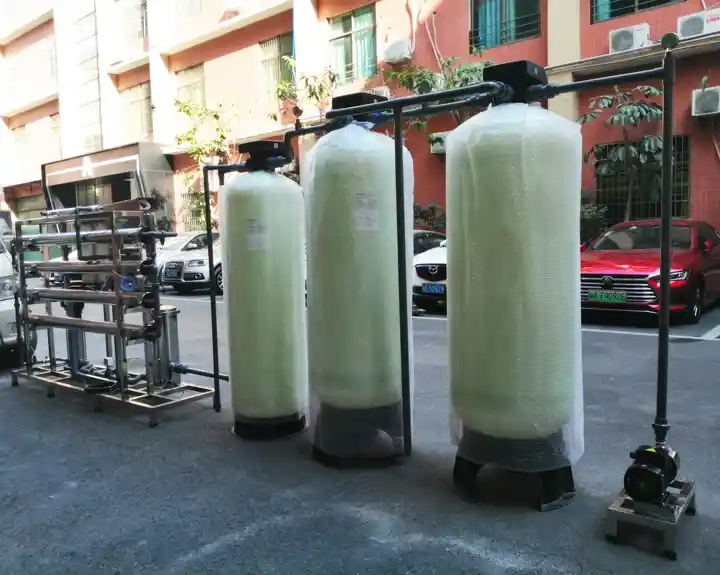
RO Water System Treatment Plant 2000 LPH Table Water Production Machine
Industrial RO systems are widely used in many industries, including:
- Electronics: Providing ultrapure water for semiconductor and display panel production.
- Power Plants: Producing softened and demineralized water for boilers and cooling systems.
- Pharmaceuticals: Ensuring high-quality water for injections and medical devices.
- Food and Beverage: Purifying water for beverage formulations and process water.
- Petrochemical: Treating process and cooling water.
- Desalination: Converting seawater or brackish water into potable water.
- Wastewater Treatment: Facilitating the reuse of industrial wastewater.
Why Choose BoKaWater for Your Industrial RO System?
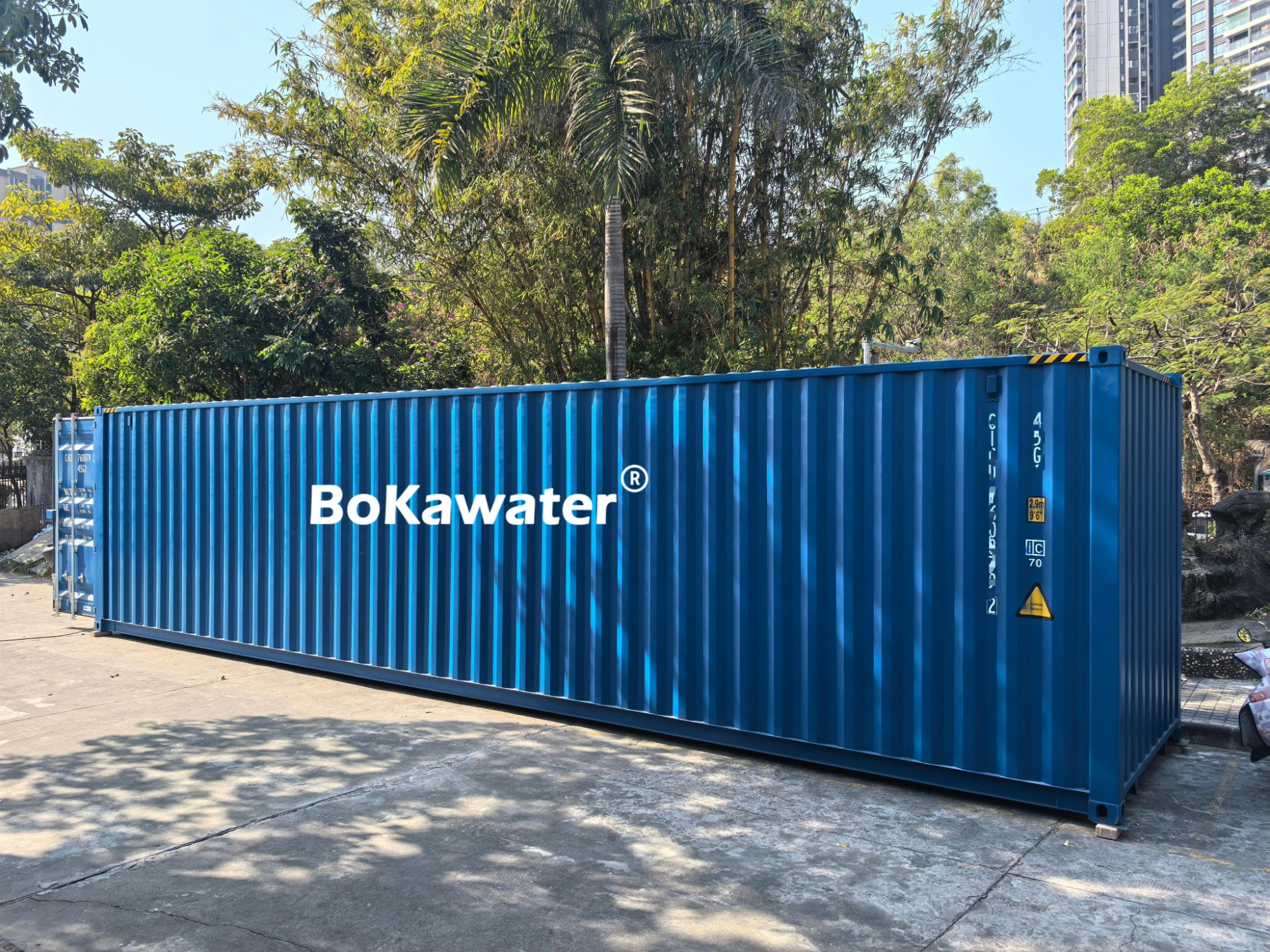
OEM 6000 LPH Container Ro System
BoKaWater offers a range of advantages for industrial water treatment solutions:
- Advanced Membrane Technology: Our high-performance membranes are designed to resist fouling and maximize filtration efficiency.
- Customized Solutions: We tailor systems to meet your specific needs, ensuring optimal performance for your unique application.
- Experienced Team: With years of experience in water treatment, BoKaWater provides expert technical support and project management.
- Global Service Network: We offer comprehensive after-sales support, including installation, maintenance, and replacement services.
- Competitive Pricing: BoKaWater’s industrial RO systems are competitively priced to deliver high value without compromising on quality.
Contact BoKaWater today for a personalized quote and expert advice on your industrial reverse osmosis system. Let us help you optimize your water treatment processes and achieve long-term savings.
Case Study: 2.4 T/H Industrial RO System for Xinyi Electronic Glass
BoKaWater supplied a customized 2.4 tons per hour industrial reverse osmosis system for Xinyi Electronic Glass (Wuhu) Co., Ltd. The system included:
- Pretreatment: Quartz sand filtration, activated carbon, and water softening.
- Secondary Membrane Treatment: For high-purity water.
- EDI for Ultrapure Water: Ensured water met the strict requirements for electronic manufacturing.
- Energy-Efficient Design: Low-energy operation at room temperature.
- Automated System: Simplified maintenance with regular cleaning protocols.
Benefits:
- Stable, high-purity water meeting strict industry standards.
- Reduced operational costs through energy-efficient design.
- Longer equipment lifespan with minimal maintenance.

Compact and efficient 2000 LPH standard RO system for reliable water purification
Frequently Asked Questions (FAQs)
Q: What is an industrial reverse osmosis system?
A: An industrial reverse osmosis system is a large-scale water purification system that removes dissolved salts, impurities, and contaminants from water by forcing it through a semi-permeable membrane under pressure.
Q: What makes an industrial reverse osmosis system effective?
A: The most effective systems combine high-quality membranes, robust pretreatment processes, automated monitoring, and energy-efficient pumps. These features ensure consistent performance and minimal downtime.
Q: What are the downsides of reverse osmosis water?
A: The main downsides are the removal of beneficial minerals, the production of wastewater or brine, the need for regular maintenance, and the high initial cost for larger systems.
Q: How much does it cost to build an industrial reverse osmosis system?
A: The cost depends on system size, feed water quality, level of automation, and customization. For an accurate estimate, it's best to contact BoKaWater for a tailored quote based on your needs.
Q: Can industrial RO systems treat borehole water?
A: Yes, with proper pretreatment to remove suspended solids and hardness, industrial RO systems are capable of treating borehole water.
Q: What maintenance does an industrial RO system require?
A: Regular maintenance includes cleaning and replacing membranes, monitoring system performance, and ensuring pretreatment units are functioning properly. Proactive maintenance extends system life and ensures efficient operation.
Q: What is the alternative to reverse osmosis?
A: Alternatives include distillation, UV filtration, and activated carbon filtration. However, RO offers superior filtration efficiency, especially for desalination and large-scale industrial applications.
Final Thoughts
Industrial reverse osmosis systems are essential for providing high-quality, purified water for critical industrial applications. By choosing BoKaWater’s solutions, you can ensure that your water treatment processes are optimized for performance, energy efficiency, and cost-effectiveness. Contact BoKaWater today for a personalized consultation and to explore our range of industrial RO systems designed to meet your specific needs.