How to Install and Maintain RO Systems?
Setting up and maintaining industrial RO systems can be tricky, but avoiding common mistakes can save you time, money, and headaches.
In this guide, we break down the crucial steps to ensure smooth installation, prevent costly downtime, and keep your system running efficiently.
Whether you're looking to optimize an existing system or install a new one, these expert insights will help you avoid costly pitfalls and maximize the lifespan of your reverse osmosis membranes.
How to Install RO Systems?

RO Water System Treatment Plant 2000 LPH Table Water Production Machine
Step 1: Assess Water Quality and Requirements
Start by evaluating the feed water for key parameters like Total Dissolved Solids (TDS), hardness, and contaminants. This helps define system capacity and recovery rates, ensuring proper sizing. Accurate water quality assessment is essential to prevent premature fouling or damage to the membranes, optimizing system performance.
Step 2: Prepare Site and Utilities
The installation site should provide enough space for the equipment and ensure easy access for maintenance. Make sure there’s stable flooring, proper drainage, and reliable electrical connections. Consideration of these factors upfront helps reduce operational risks and simplifies future servicing.
Step 3: Install Pre-Treatment
Pre-treatment is crucial, especially when dealing with high-salt or high-impurity water. Installing sediment filters, carbon filters, softeners, or antiscalant dosing units helps protect the membranes by removing suspended solids and preventing fouling. BoKaWater provides guidance to customize pre-treatment designs based on specific feed water characteristics.
Step 4: Mount Main Components
Install high-pressure pumps, RO membrane housings, and storage tanks, ensuring all connections are secure and corrosion-resistant. Proper alignment and installation precision are essential for stability and long-term system reliability.
Step 5: Install Control Systems
Integrate essential monitoring instruments such as pressure gauges, flow meters, conductivity sensors, and control panels. These tools help monitor system performance, enabling early detection of issues and quick corrective actions when needed.
Step 6: Flush and Commission
After installation, thoroughly flush the system, check for leaks, and perform commissioning to verify pressure, flow, and water quality. This ensures the system is operating as intended and ready for long-term use.
3T/H reverse osmosis project case
In BoKaWater’s 3T/H RO project for Guangdong Jinsheng Intelligent Group, BoKaWater provided the complete system design, pre-treatment units, and high-pressure RO membranes. The raw water passed through quartz sand and activated carbon filters, then secondary membrane treatment and an EDI device. BoKaWater’s professional commissioning ensured stable high-purity water output while protecting thermally sensitive substances. This demonstrates how BoKaWater’s expertise guarantees reliable industrial operation.
How Long Does It Take to Install RO Systems?
The installation time for an industrial reverse osmosis (RO) system can vary based on factors such as system size, complexity, and site conditions. On average, installation for a standard industrial RO system can take anywhere from several days to a few weeks. This timeline includes site preparation, system setup, initial testing, and training for operation and maintenance.
For larger, customized systems or facilities with specific water treatment needs, the installation process may take longer. Detailed planning and a clear understanding of the site’s infrastructure can help minimize delays.
BoKaWater’s expert team works closely with clients to ensure that all steps, from installation to commissioning, are completed efficiently and on schedule, helping to reduce downtime and optimize system performance.
Do Reverse Osmosis Systems Need Maintenance?

3T/H reverse osmosis project case
Industrial reverse osmosis systems are crucial for producing high-purity water in manufacturing, food and beverage, pharmaceuticals, electronics, and power plants. Without proper installation and routine maintenance, systems can experience downtime, reduced water quality, and higher operational costs.
Regular maintenance ensures reliable performance, energy efficiency, and longer membrane life.
What Will Happen If I Don’t Perform Regular Maintenance?
Neglecting maintenance can cause:
-
-
-
-
- Low water flow from clogged filters or fouled membranes
- Poor water quality due to membrane damage or insufficient pressure
- Pressure drops from scaling or fouling
- Leaks from loose fittings or worn seals
- Low water flow from clogged filters or fouled membranes
-
-
-
BoKaWater provides technical guidance to address these issues quickly, ensuring continuous production and high water quality.
How to Maintain Your Reverse Osmosis Systems?
|
Maintenance Frequency |
Key Actions |
Purpose / Notes |
|
Weekly |
Check pump pressure, vibration, and permeate water quality. |
Ensure stable operation and detect issues early. |
|
Monthly |
Inspect and replace sediment and carbon pre-filters; monitor flow restrictors and reject water rates. |
Prevent fouling and maintain water flow and quality. |
|
Every 6 Months |
Evaluate membrane performance; clean or replace membranes if rejection rates decline. |
Restore efficiency and prolong membrane life. |
|
As Needed |
Perform chemical cleaning when scaling or fouling occurs; flush system thoroughly. |
Remove deposits and biofilm; maintain stable performance. |
Example: Following BoKaWater’s maintenance schedule in the 3T/H RO project extended membrane life by 30% and reduced downtime by 25%. This shows how structured preventive maintenance ensures reliable industrial operation and predictable performance for industrial clients.
When to Replace Reverse Osmosis Membranes?
RO membranes typically last 2-3 years, depending on feed water quality and system usage. Monitoring rejection rates, pressure drops, and permeate flow helps identify the ideal replacement time.
BoKaWater provides high-quality membranes designed for optimal performance. Contact us for a free consultation and a customized water treatment solution.
How Often to Replace Reverse Osmosis Filters?
Sediment and carbon pre-filters should be inspected and replaced monthly or as needed depending on water quality. Pre-filters protect membranes from fouling and scaling. Timely replacement ensures consistent water flow and prolongs membrane life. BoKaWater advises on filter selection and replacement schedules to match industrial conditions.
How Much Does It Cost to Maintain an Industrial RO System?
Maintenance costs include routine pre-filter replacement, pump servicing, minor repairs, and membrane replacement every two to three years depending on water quality. Optimizing energy use and water recovery further reduces operational expenses. Following structured maintenance, as in the 3T/H project, ensures predictable budgeting and long-term efficiency.
Why Choose BoKaWater?
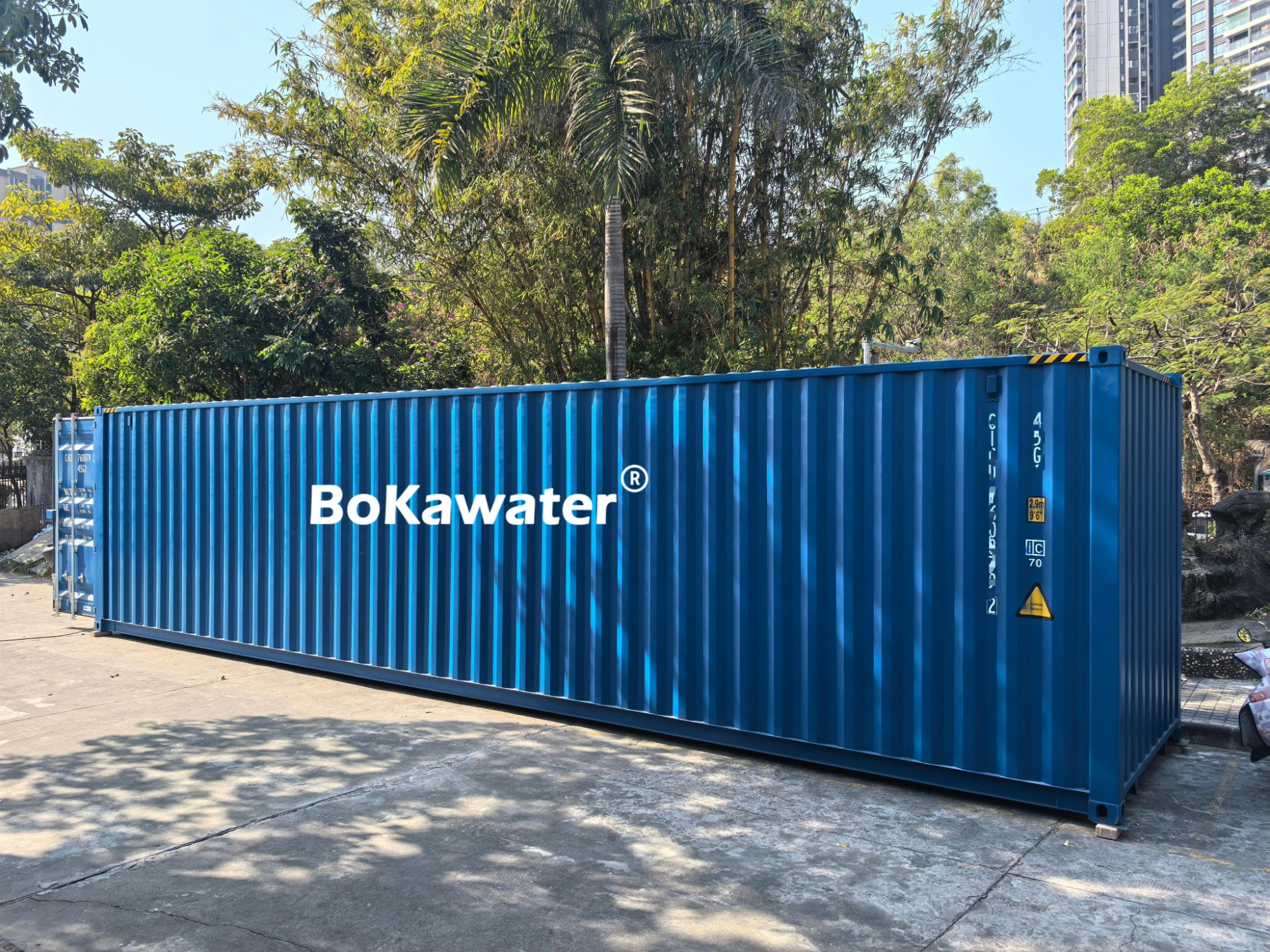 OEM 6000 LPH Container RO system
BoKaWater delivers tailored industrial solutions, including OEM and ODM options for complex water treatment requirements. Proven project experience and successful global implementations demonstrate capability. Full lifecycle support from design, installation, training, and after-sales service ensures reliable long-term operation. Fast global response allows clients to maintain continuous production and minimize downtime. The successful projects, such as the 3T/H RO system, highlight how professional installation and maintenance deliver consistent results.
How Can You Ensure Reliable RO Performance?
Proper installation and proactive maintenance are essential for industrial RO systems to deliver reliable performance, lower operational costs, and longer membrane life. Real project examples demonstrate that pre-treatment, membrane monitoring, and professional commissioning together guarantee high-purity water output.
Next Step: To ensure optimal performance for your industrial RO system, contact BoKaWater for a customized solution and technical consultation.