How Much Does a Reverse Osmosis System Cost in 2025?
When considering a reverse osmosis (RO) system for industrial or commercial use, understanding the cost factors is key to making an informed investment. From initial setup to long-term maintenance, this guide explores everything you need to know about RO system pricing.

What Is a Reverse Osmosis System?
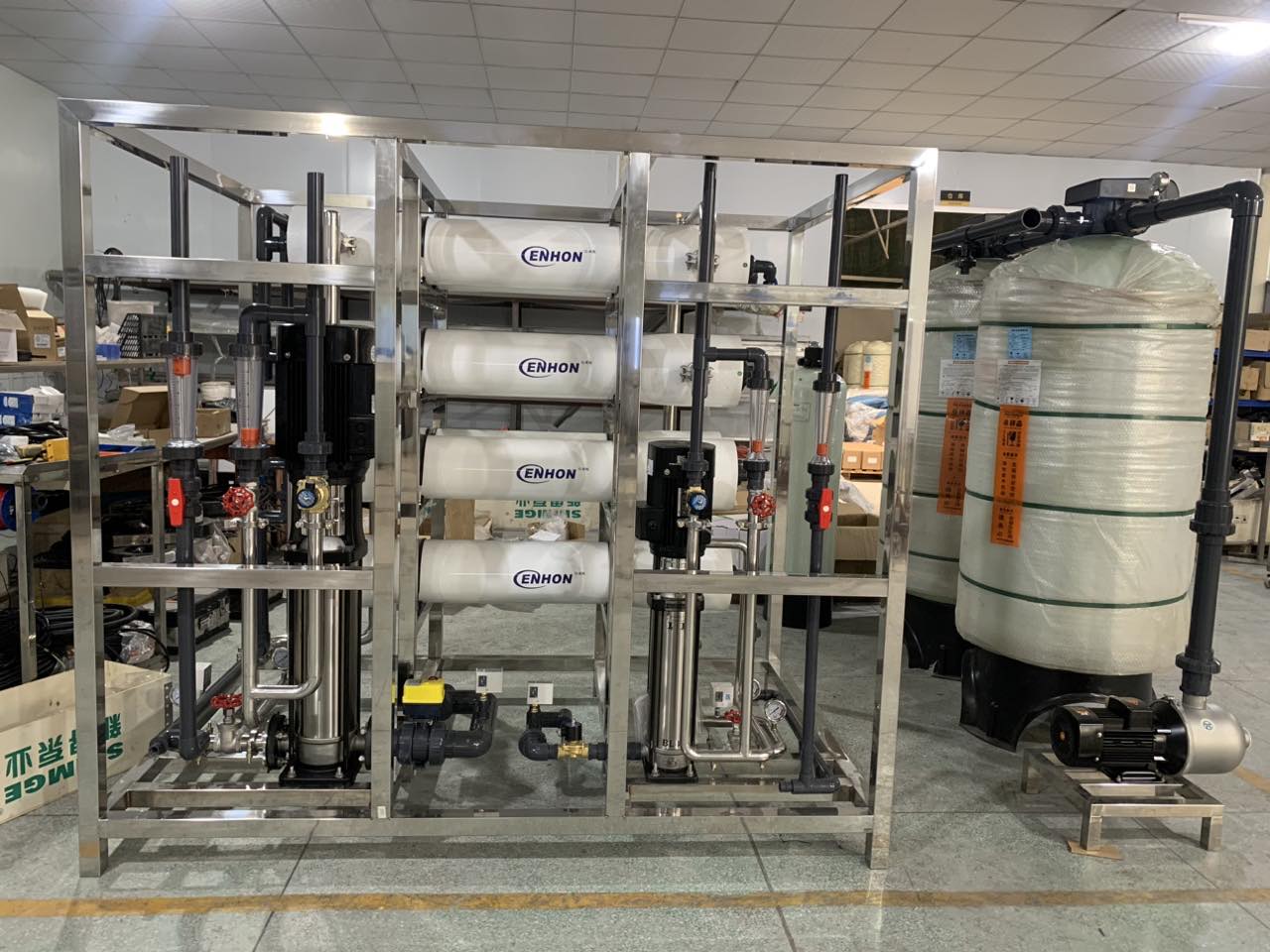
A reverse osmosis system is a water purification process that removes dissolved salts, minerals, and contaminants using a semi-permeable membrane. It is widely used in industries such as power generation, food and beverage, pharmaceuticals, and chemical manufacturing to produce high-purity water.
Factors That Affect RO System Cost
Several factors can influence the total cost of an RO system:
- Flow Rate and Capacity: Larger systems with higher daily output cost more.
- Water Source and Quality: Brackish water, seawater, or tap water require different pretreatment and membrane types.
- Pre and Post-Treatment Equipment: Systems may include ultrafiltration, EDI, polishing beds, or chemical dosing.
- Automation and Control Systems: Fully automated setups increase operational efficiency but also raise initial costs.
- Material Quality and Components: Stainless steel frames, high-pressure pumps, and premium membranes will cost more but offer durability.
Average Cost
|
System Type |
Capacity Range |
Estimated Cost (USD) |
|
Small Commercial RO Systems |
250–1,000 LPH |
$2,000–$8,000 |
|
Medium Industrial RO Systems |
2,000–10,000 LPH |
$10,000–$40,000 |
|
Large Industrial RO Systems |
20,000–100,000+ LPH |
$50,000–$250,000+ |
|
Seawater Desalination RO Systems |
5,000–50,000 LPD |
$30,000–$300,000+ |
|
Containerized RO Units |
Custom sizes |
$50,000–$500,000+ |
Note: Prices are estimates based on market averages. Contact BoKaWater for a customized quote.
Real-World Example: Ulaanbaatar Power Plant Project
BoKaWater was responsible for providing the water treatment system for Ulaanbaatar’s Third Thermal Power Plant in Mongolia. The solution included a complete process of pretreatment, hollow fiber ultrafiltration, two-stage reverse osmosis, EDI, and a polishing mixed bed. This project exemplifies how customized RO systems can be scaled and adapted for high-demand industrial needs, ensuring water purity for critical operations.
Installation and Maintenance Costs
In addition to equipment, consider these ongoing costs:
· Installation: Varies based on site complexity; typically 10–20% of system cost.
· Membrane Replacement: Every 2–5 years; costs depend on type and quantity.
· Energy Consumption: Low-pressure systems use less energy than seawater systems.
· Cleaning and Chemicals: Periodic cleaning (CIP) and chemical usage are required.
· Spare Parts and Technical Support: Includes pumps, valves, sensors, and support contracts.
Conclusion
Reverse osmosis system costs vary depending on your application, water quality, and treatment goals. While upfront investment can be significant, the long-term benefits in water quality, operational efficiency, and reliability often outweigh the cost.
BoKaWater offers tailored solutions for a wide range of industries. If you're planning your next water treatment upgrade, we’re here to help with technical consultation and reliable equipment.